01
Where should I start?
Give the range a structure people can understand.
CollectionsNavigation
E-Commerce SEO
From Shopify and WooCommerce to Shopware and custom websites. Shape your SEO around the platform you use, the products you sell, and the way your store works.


 Leading platforms.
Every store has its own setup. We start with yours — then define the content, structure, and technical work around it.
For WordPress stores


Magento


Headless & bespoke stores
Take a closer look at your setup.
Help people find a useful starting point, understand the product, and recognize what to explore next.
Give the range a structure people can understand.
Bring the important product details into view.

Connect the product with useful supporting information.

Explore how collections, product pages, and supporting guides can work together.
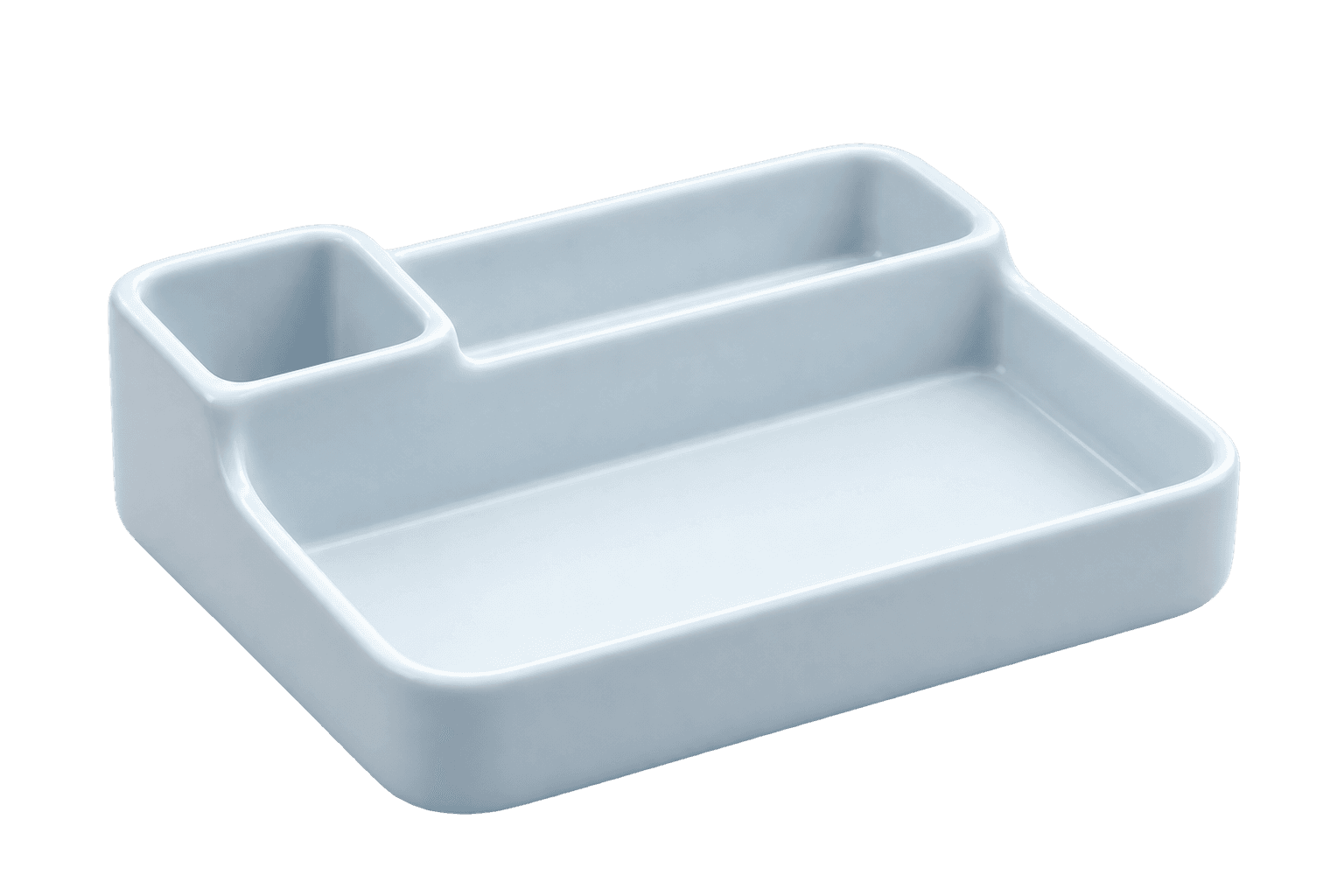
Explore trays, pen holders, and stands for a more organized workspace.
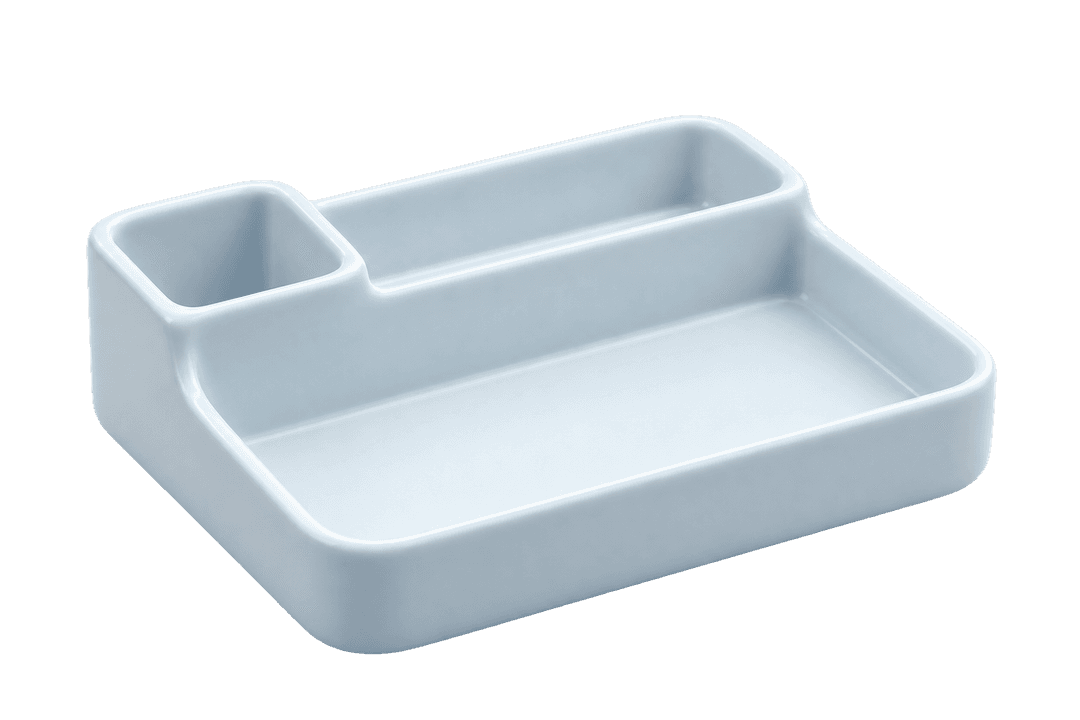


A collection connects a clear topic with relevant products and useful navigation.
Clear collections, accurate product details, and useful guidance — connected around your range.
A clear way into your range.

The details people need to choose.
Helpful answers along the way.
Define the purpose of key page types and identify gaps, overlap, or unclear relationships in the catalog.
Page-purpose briefConnect accurate product information, useful guides, and relevant collections with a clear role for each page.
Content directionReview agreed questions around navigation, product variants, filtering, and access to important content.
Technical findingsTurn findings into specific work, define responsibilities, and review the agreed changes in context.
Review recordWatch a store page take shape: first the range, then the product details, then useful guidance.
Trays, pen holders, and stands for a more organized workspace.


Give the range a specific subject, a useful introduction, and a way into each item.
Trays, pen holders, and stands for a more organized workspace.
Bring store-approved material, dimensions, and options into the product page.
Trays, pen holders, and stands for a more organized workspace.
Keep the range, its details, and helpful guidance connected on every screen.
An illustrative website improvement, not a measured ranking or revenue result. Product facts and commercial terms require approval from the store.
Your team knows the range. The website should give the products, their details, and the information around them a clear place to work together.
Approval and implementation responsibilities are agreed for the engagement.

A clear review point before information goes live.

Clear page briefs, specific website tasks, and a review trail your store team can work with.
A useful starting point for someone exploring organizers for a workspace.
Agree the page purpose and the product group it should explain.
Content directionConfirm specifications, available options, and useful buying information.
Store inputRecord content approval, check page links, and note open items.
Review & implementationWhat changed. Who reviews it. What needs confirmation.
01Review the catalog, priority page groups, and the questions the next improvements should address.
Agree on the content, structure, technical questions, and responsibilities in scope.
 03
03Check the agreed changes and record the observations that deserve follow-up.
Answers about scope, responsibilities, and the information needed to begin.
It can include collection and product-page structure, content, internal linking, and technical questions affecting the store. The scope should reflect the actual catalog, platform, and implementation constraints.
Website design focuses on the visual and functional experience. E-commerce SEO focuses on how relevant store information is organized, reached, and understood. Some projects involve both, but their responsibilities should be scoped clearly.
The current platform, catalog, access, and known constraints should be reviewed first. Some improvements may fit the existing setup; larger changes can require a separate implementation or redesign project.
They serve different purposes. A collection helps explain and navigate a group of products, while a product page needs accurate information about the individual item and its relevant options.
Those can be part of an agreed technical scope. Recommendations should follow the way the platform and catalog actually work rather than apply one rule to every filter or variant.
The store should supply and approve factual product details, availability, and commercial terms. The engagement should clarify who edits the website and how changes are reviewed.
Useful guides can answer relevant questions and connect naturally with collections or products. They should have a clear purpose rather than exist only to repeat keywords.
Shopify, WooCommerce and WordPress, Shopware, Adobe Commerce / Magento, BigCommerce, PrestaShop, Wix, Squarespace, and custom-built websites. The initial review establishes the platform version, available access, integrations, and implementation responsibilities so the work fits your actual setup.
No. Sales depend on the offer, demand, availability, pricing, user decisions, and other factors. The work can define specific improvements and a useful approach to interpreting later observations.
This page describes SEO and agreed website-improvement work. Advertising, daily store operations, and other services require an explicit scope rather than being assumed to be included.
Share the store address, platform if known, priority collections, and the questions your team wants to resolve. That provides a basis for a concrete initial scope.
Shopify, WooCommerce, Shopware, or a custom website? Share your platform, your store address, and what you want to improve.
Explore SEO servicesShare your store and priorities through our existing project inquiry.