01
What does the store carry?
Give the product range a clear and responsible structure.
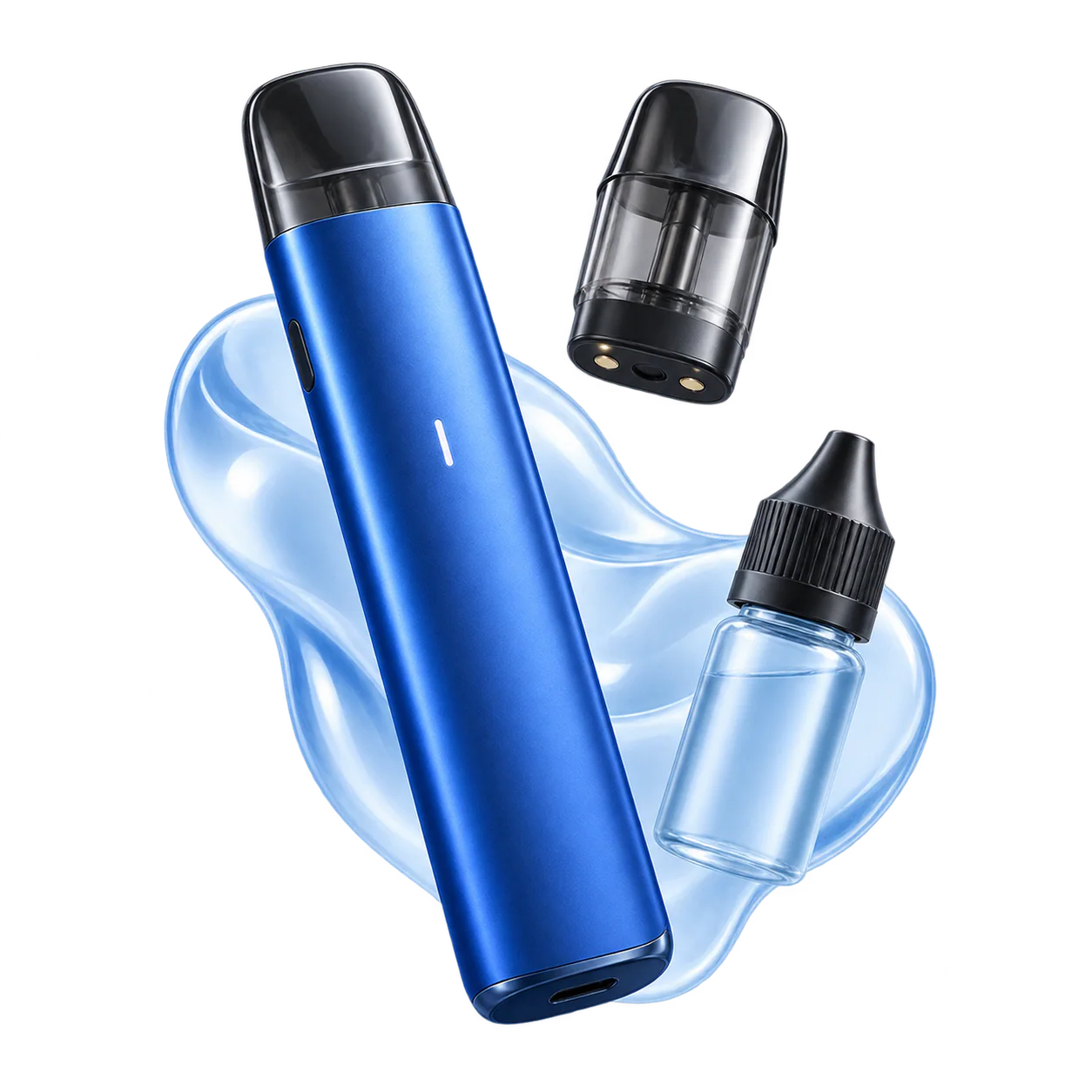
DevicesPods and accessories
SEO for Vape Shops
Vape shop SEO improves store details, product information and website structure to help adult customers find accurate information about your business.
Category and product pages should describe the actual range and explain relevant distinctions without adding unsupported health or safety claims. The retailer supplies accurate specifications, availability, policies, and applicable requirements for its market. Website work can then address useful category structure, connected pages, store details, and technical findings. The engagement defines the content and implementation scope; legal or regulatory advice requires an appropriate specialist.
Compare the wider approach in our SEO by industry overview.
Help adult visitors understand the categories, the store, and the information available before taking the next step.
Give the product range a clear and responsible structure.
Bring accurate location and store information together.

Connect product categories with clear supporting information.

Explore how category pages, product information, and store details can work together.
Illustrative age-restricted retail structure
Three clear starting points for an approved product range.
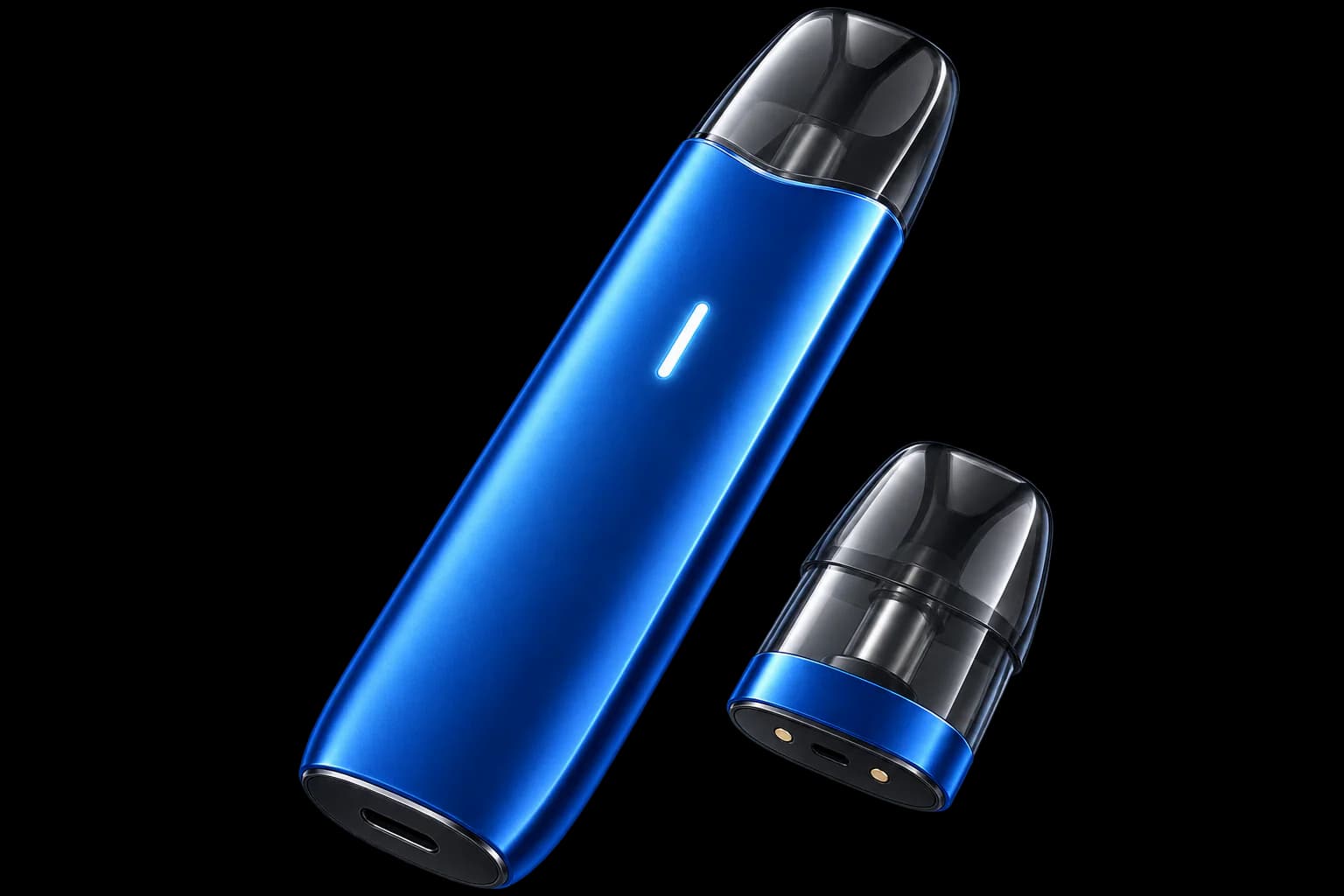
A category page helps adult visitors understand how the range is organized.
Give each page type a clear role, then connect the approved information around it.
Give each meaningful category a clear purpose and a useful relationship to product information.

Give verified specifications, compatibility, and required notices a readable place.
Connect approved address, hours, contact, and visitor information to the range.
Define the role of key page types and organize the approved information around them.
Explore content marketingReview the consistency of approved address, hours, contact, and visitor information.
Explore local SEOReview how important content is reached, displayed, and connected across relevant devices.
Explore technical SEOTurn findings into specific work with clear ownership and review points.
Explore the SEO auditFollow a simplified example of how categories, verified product information, and store details can work together.
Move from a simple product list to clear categories and verified information.
Devices · Pods · Accessories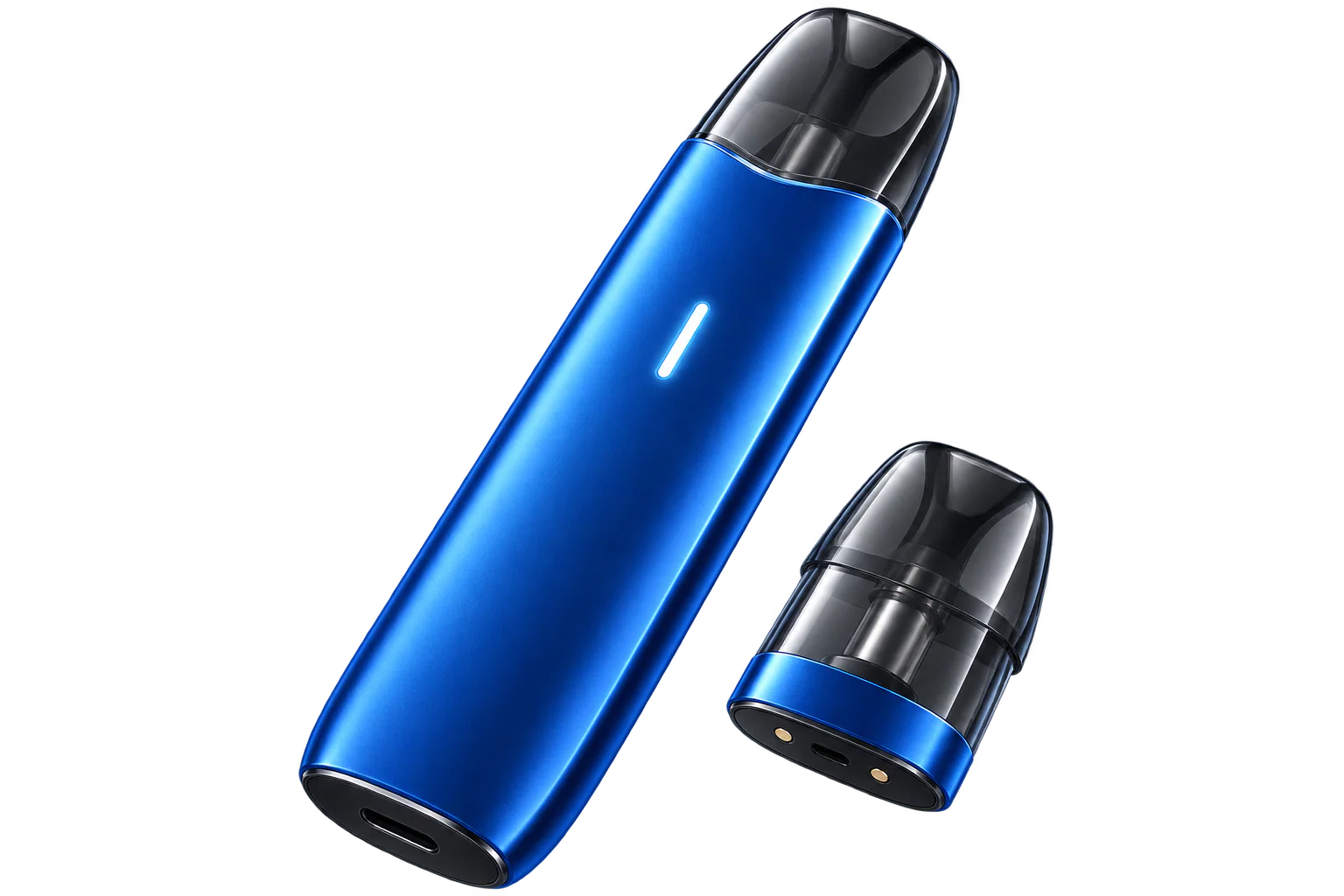 A clear category
Move from a simple product list to clear categories and verified information.
Devices · Pods · AccessoriesA clear categoryGive the range an understandable starting point.
Move from a simple product list to clear categories and verified information.
Devices · Pods · AccessoriesA clear categoryGive verified product information a readable place.
Move from a simple product list to clear categories and verified information.
Devices · Pods · AccessoriesA clear categoryConnect the range with the practical information around the store.
This illustrates website structure. It does not demonstrate sales, rankings, or health outcomes.
Give product categories, verified information, and practical store details a consistent place to work together.
Approval and implementation responsibilities are agreed for the engagement.

A clear review point before information goes live.

A page brief, a focused action plan, and a record of what changed. Three useful handovers for your team.
The page brief connects the right question with the right information.

A focused action plan makes the agreed improvements easy to follow.

See what changed, what was checked, and what still needs attention.

Website work, search visibility, and store actions are measured separately. An interaction alone does not confirm a visit or purchase.
 01
Review the website, product categories, and practical information that need attention.
 02
Agree on structure, verified information, and responsibilities within scope.
 03
Check the agreed changes and record what deserves attention next.
Answers about scope, responsibilities, evidence, and the information needed to begin.
It can involve page structure, accurate store information, technical access, and clear relationships between category and information pages. The useful scope depends on the website, market, and applicable requirements.
The current platform, content, access, and limitations should be reviewed before a specific scope is agreed.
Distinct categories may need their own clear purpose and verified information. Pages should help organize the range rather than repeat nearly identical text.
The store should supply and approve factual product, location, and policy information. Ownership and review responsibilities should be explicit.
Agreed local work can include reviewing approved address, hours, contact, and visitor information for consistency and useful context.
No. Product statements must be accurate, supported, and approved by the responsible business. The website work does not provide medical advice or make safety claims.
No. Search visibility and commercial outcomes depend on multiple factors. The engagement can define specific website work and review its implementation without guaranteeing results.
Applicable requirements depend on the market and business setup. The store is responsible for confirming the notices, access controls, and legal review required for its website.
Any transactional functionality requires an explicit technical and legal scope. It should not be assumed to be part of an SEO engagement.
Share the website address, market, priority categories, and the website questions your team wants to resolve. Do not send customer or payment information through a general inquiry form.
A closer look SEO Supreme
A vape shop website needs accurate product and location information within the rules that apply to the business. SEO content should not imply a health benefit, target minors, or turn an unsupported product statement into an apparent fact. The responsible business must review regulated claims and sales conditions.
Use verified product identifiers, specifications, and availability where appropriate. Do not infer safety, effectiveness, or medical benefit from a product category. Keep manufacturer statements distinguishable from independently established facts and remove claims the business cannot support.
State whether the website represents a physical shop, an online catalog, or a store with a verified purchase process. Location pages should contain genuine local details. Age restrictions, sales eligibility, and delivery conditions require current review for the jurisdictions involved.
Assign someone qualified to check regulatory and platform requirements before a product page or campaign goes live. An SEO draft is not a compliance determination. Keep the site useful for accurate information without suggesting that search visibility overrides restrictions on promotion or sale.
A physical vape shop, an online retailer, a manufacturer, and a wholesaler need different explanations and customer routes. Begin with the actual operating model and the adult audience the business serves. Identify which locations, catalog information, and permitted actions the website can accurately represent. A local visit and an online purchase should not be treated as interchangeable conversion goals.
For a physical shop, practical priorities may include the correct entrance, contact details, and confirmed hours. A wholesale business may need a clear account-inquiry process and verified product documentation. Keep those purposes visible in the page structure. Do not add city pages that imply stores, offices, or sales arrangements the business does not actually operate.

Use verified manufacturer names, model identifiers, versions, specifications, and availability where they are appropriate to publish. Keep the source of each important fact available for review. Similar-looking products or replacement parts can have different requirements, so a broad category name is not enough to establish compatibility or included components.
Consider a fictional accessory catalog with several replacement-part versions. The content task is to distinguish the exact model and its documented compatibility, rather than infer a match from a photograph. Missing information remains a question for the supplier or business reviewer. Do not convert technical-looking wording into a claim about safety, health effects, or product performance that the source does not establish.
FDA’s tobacco database guidance distinguishes marketing authorization from approval: the agency does not approve tobacco products, and an authorization should not be presented as a statement that a product is safe. Its guidance also explains that a pending application does not generally create a safe harbor to sell a new tobacco product. Those distinctions matter when reviewing product-page wording.
Keep the exact product identifier, source document, review date, and responsible reviewer together. A statement about one product should not become a claim about an entire brand or range. The business’s qualified reviewers determine the applicable requirements and current status for its actual products and jurisdictions. SEO research should not replace that determination or turn another agency’s regulatory summary into a published fact.
Identify the age, account, or other access controls used by the actual website and the owner responsible for them. Test how the intended visitor moves through the approved process and how errors are explained. Keep technical review within those requirements. A search-visibility recommendation should not quietly weaken a control or create a different, misleading description of the business.
Separate a public information page from a permitted transaction. A page explaining store hours and a checkout offering shipment can require different reviews. Confirm the actual purchase or inquiry path, including the information shown before someone proceeds. Record any technical limitation and send it to the appropriate owner rather than assuming that a generic SEO plugin establishes an acceptable implementation.
Catalog availability, the ability to accept an order, and eligibility to supply a particular destination are separate questions. Use the business’s reviewed information to describe those states. Do not infer delivery eligibility from a search phrase, a visitor’s location, or the fact that a product is visible in a catalog. The operational system and the responsible reviewer need to support the statement.
When a product is removed or its status changes, review related descriptions, navigation, and references as a coordinated update. Some existing information may still have a useful explanatory purpose; other material may need removal or replacement. Choose the destination based on the actual content and approved business position, with no assumption that an unrelated redirect solves the underlying question.
A useful vape-shop SEO report identifies the relevant page groups and the actions the website actually supports. Local-information visits, contact requests, wholesale inquiries, and completed permitted transactions describe different events. Confirm which measurements are available and what each one proves. A button click alone does not establish a sale or an eligible customer action.
Review factual accuracy as part of ongoing content work. Assign an owner for changed product records, locations, public statements, and external references. Use observed questions to improve the explanation for the intended adult audience. Keep completed SEO tasks distinct from regulatory review and commercial outcomes, with open decisions visible before any public content or transactional change is approved.
Tell us about the website, the product categories, and the information or page relationships that need attention.
Explore SEO servicesShare the website, market, and priority categories through our existing project inquiry.