

Make your Shopify store easier to find and explore.
Connect collections, product detail, and technical foundations with a clear plan for the store.
CollectionsProduct detailTechnical foundations

Good products need a clear place in your store.
Show what the product is, where it belongs, and which details help people understand it.
Illustrative product example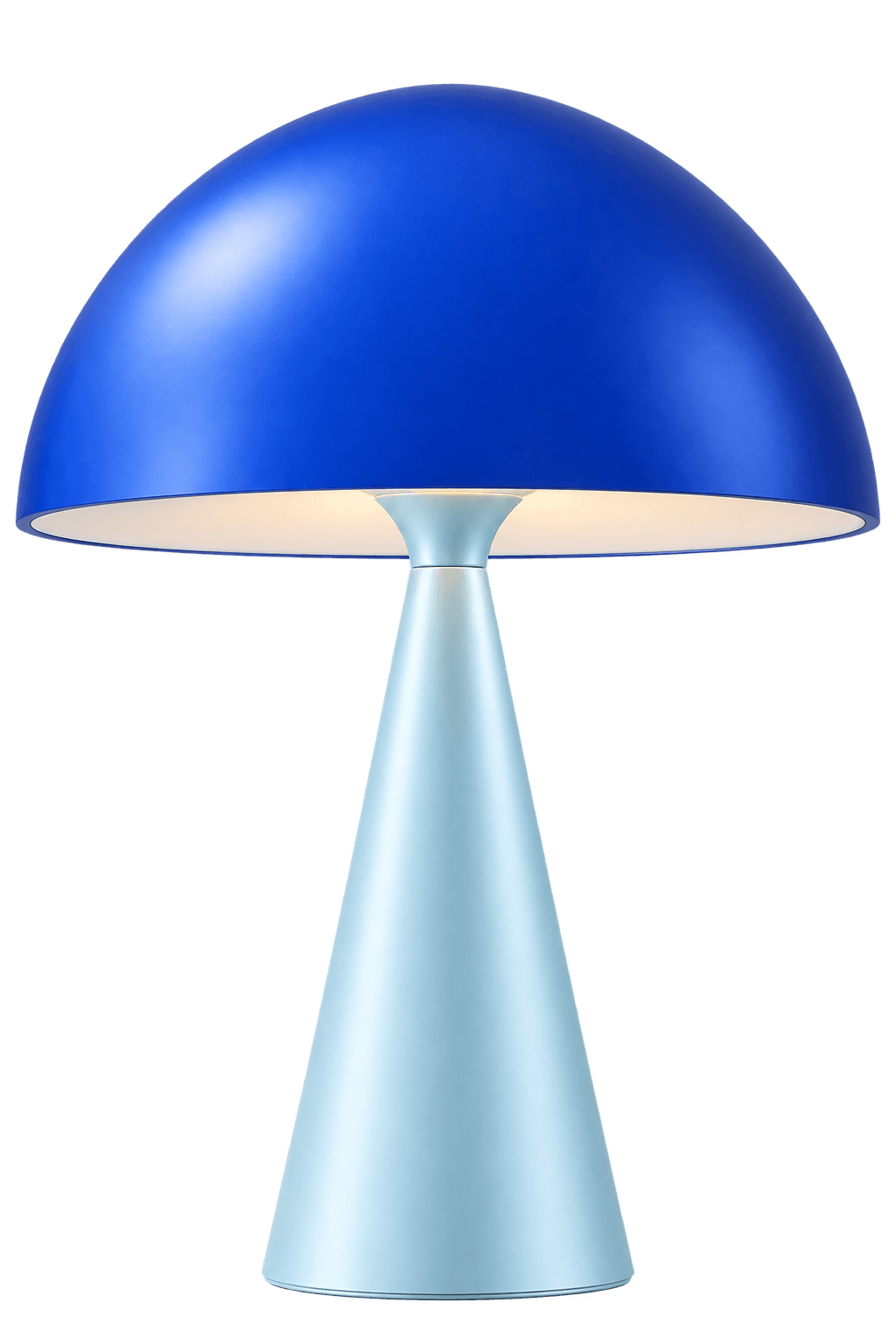
A new favoritePortable
table lamp
table lamp
Choose a perspective
A clear name explains the product before decorative language takes over.
A useful collection gives the product context within the store.
Organize accurate product information around the questions the page should answer.
Product names, collections, and useful details should work together.
Different pages help shoppers make different decisions.
Explore a fictional travel-bag store. The example shows how a collection and a product page can do different jobs.
Collection page
Help shoppers understand the range.
A useful collection explains what belongs here and how to choose between the products. The page should give the range a purpose beyond a grid of images.
Illustrative store example
Travel edit
Travel bags
Explore bags for different packing needs, with practical details to help compare the options.
Compare carrying style, storage, and dimensions.
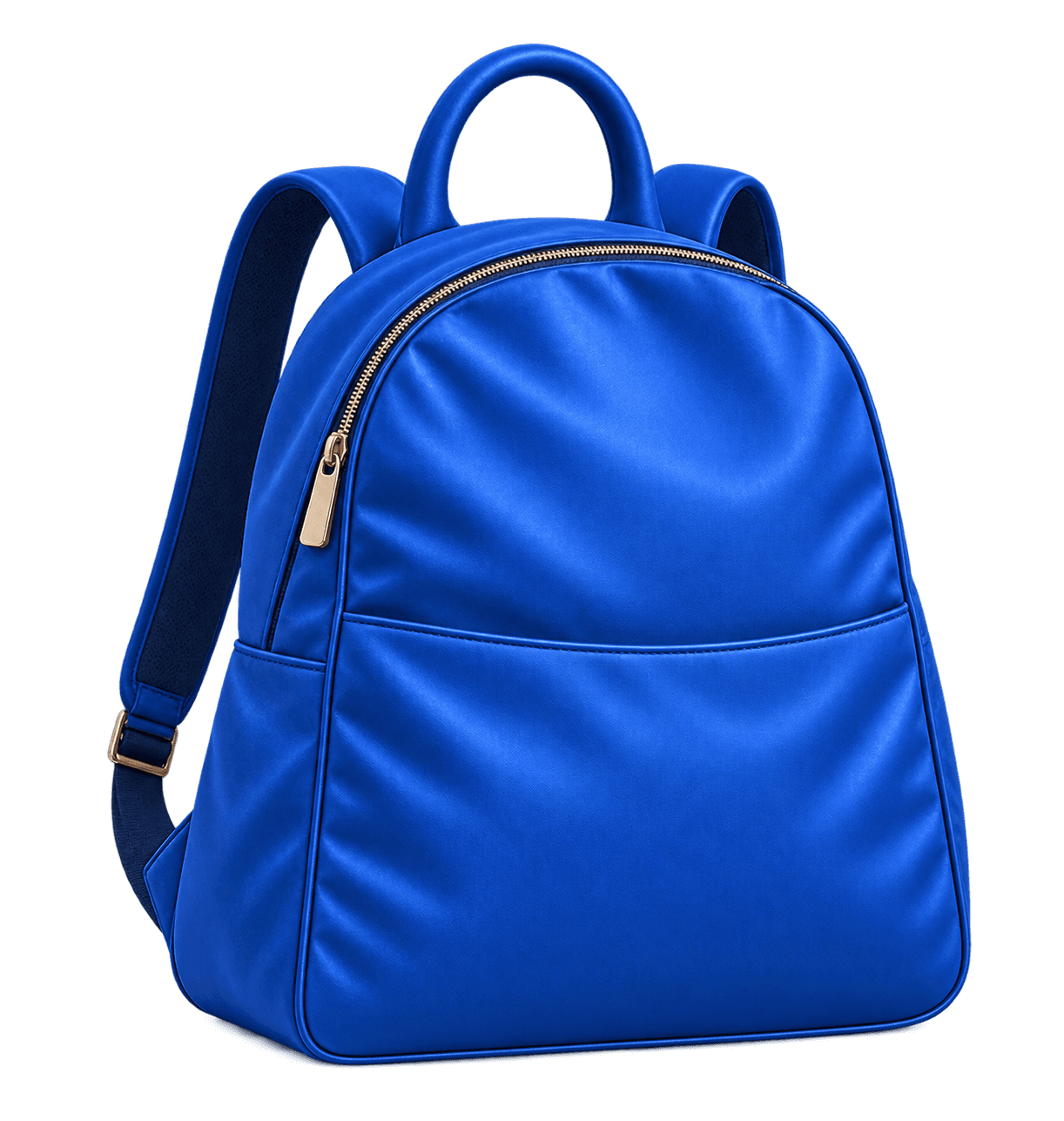
Daypack
View the product detailsProduct detail
Make the individual choice easier to assess.
A product page needs specific information the shopper can rely on. Use real details from the merchant rather than generic copy or invented specifications.
Illustrative store example

Details to substantiate
The Weekender
- Dimensions
- Confirm the product measurements.
- Materials
- Describe the actual construction and care.
- Delivery & returns
- Link to the applicable store policies.
Work on the pages and systems that support the store.
The scope follows the catalog, the theme, and the problems worth addressing. We separate the review, implementation, and follow-up responsibilities before the work starts.
01
Collection structure and content
Review how the range is organized and which collections deserve a distinct role. Develop clearer page context, useful navigation, and links that connect related products and guidance.
OutputA collection plan and prioritized page improvements.
PurposeNavigationUseful context
02
Product-page improvements
Make the information on selected products more specific and useful. Review descriptions, supporting details, and the way related products and policies are presented.
OutputProduct-page briefs or agreed content updates.

DescriptionEvidencePractical detail
03
Theme and app review
Inspect the relevant theme output and app dependencies before recommending changes. Focus on the parts that affect important content, links, or the shopping experience.
OutputReproducible findings and implementation notes.

Theme outputDependenciesImplementation
04
Product information and search presentation
Review how the relevant product information is represented, including applicable structured data and variant relationships. Keep recommendations aligned with the actual store content.
OutputProduct-information checks and scoped corrections.
Product dataVariantsPage output
05
Review and measurement
Connect the work completed with the available store and search evidence. Define the pages, timeframe, and questions before interpreting the results.
OutputA review summary and practical next priorities.

PagesTimeframeNext priorities
Turn a product grid into a connected shopping experience.
Follow how a collection gives products context—and how one product page can carry that context into the details.
Give the collection a subject people can recognize.
01 / ArrangeIllustrative storefront concept
Table linens for everyday settings.
Table runnersPlacematsNapkins
Collection purpose

Everyday table runner

Woven placemat

Napkin & oval ring
Give the collection a subject people can recognize.
02 / ExplainIllustrative storefront concept
Table linens for everyday settings.
Table runnersPlacematsNapkins
Explore runners, placemats, and napkins, with product details to help you consider the setting you have in mind.
Consider the detailsSize and proportionsMaterials and care
Everyday table runner
Woven placemat
Napkin & oval ring
Add useful context before asking people to choose a product.
03 / ExploreIllustrative storefront concept
Back to table linensEveryday table runner
A product page that brings the item, its practical details, and its collection context together.
Product information
SizeMaterialsCare
Before choosing
Available optionsStore information
Carry the collection context into a product page with useful detail.
The page structure is the example—not a prediction of rankings or sales.
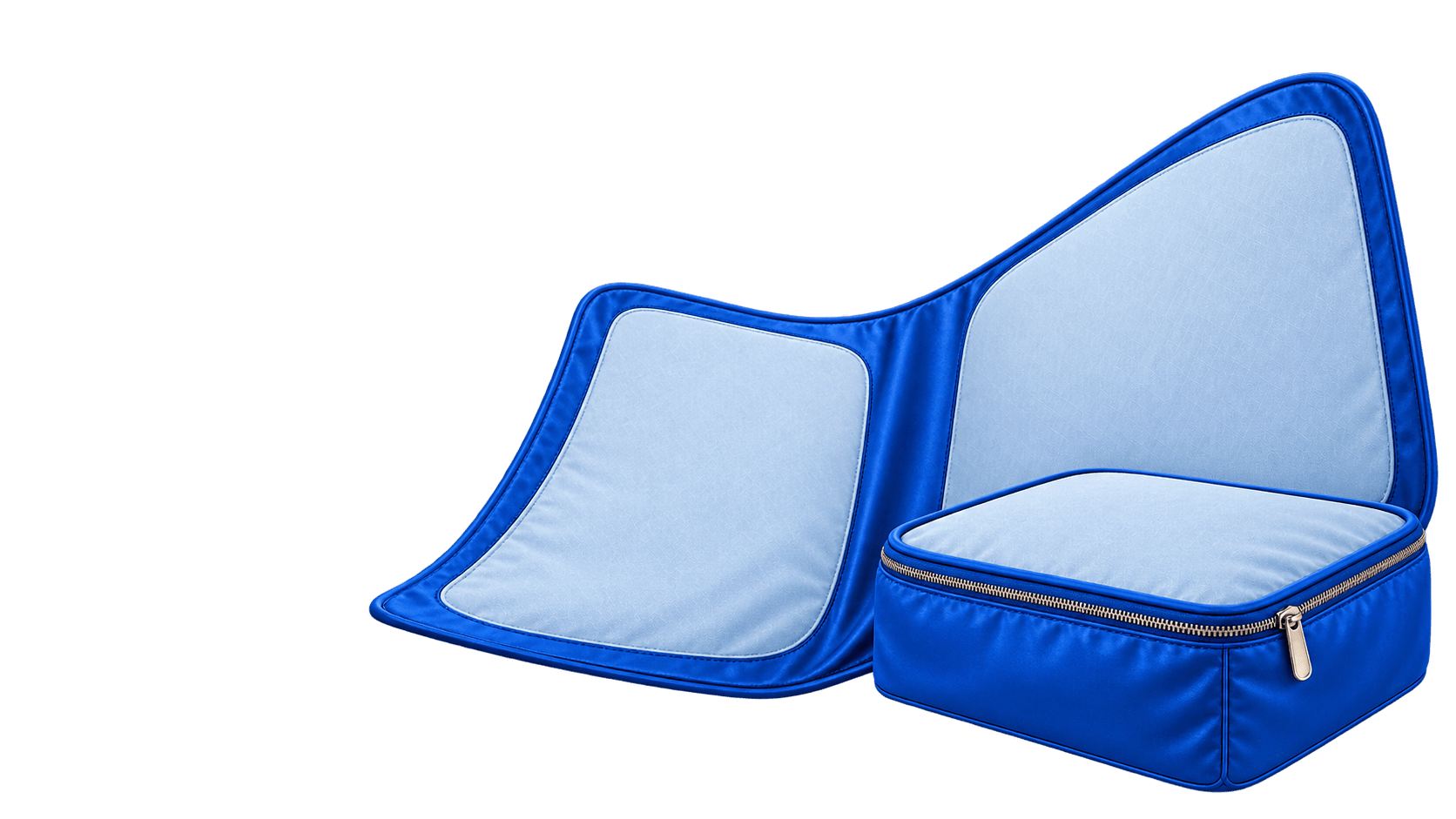
Your catalog should feel considered. So should the way people discover it.
Build the page around the products and the questions that matter. Useful structure and specific information should work together as the store grows.
- A clear range
- Collections with a recognizable purpose.
- Specific detail
- Product information the merchant can substantiate.
- A useful route
- Connections to the next relevant page.
A clear plan for the next store improvements.
Explore the priorities, tasks, and review notes your team can use.
01
Store priorities
A focused view of the page groups and questions worth reviewing first.
Collections
Products
Technical setup

02
Implementation tasks
Concrete changes connected to the input and responsibility they need.
TaskClarify page context.
InputRange details
Connect the change to the information it needs.

03
Review notes
A record of the changes, checks, and questions still open.
ImplementationThe page work.
ObservationThe available evidence.
Read both in the store’s context.
Understand what changed and what the data can tell you.
Keep the page work, observed activity, and store context visible before drawing a conclusion.
everyday / objectsHome / Storage
Storage for everyday rituals.
Compare the pieces, then explore the materials and care.
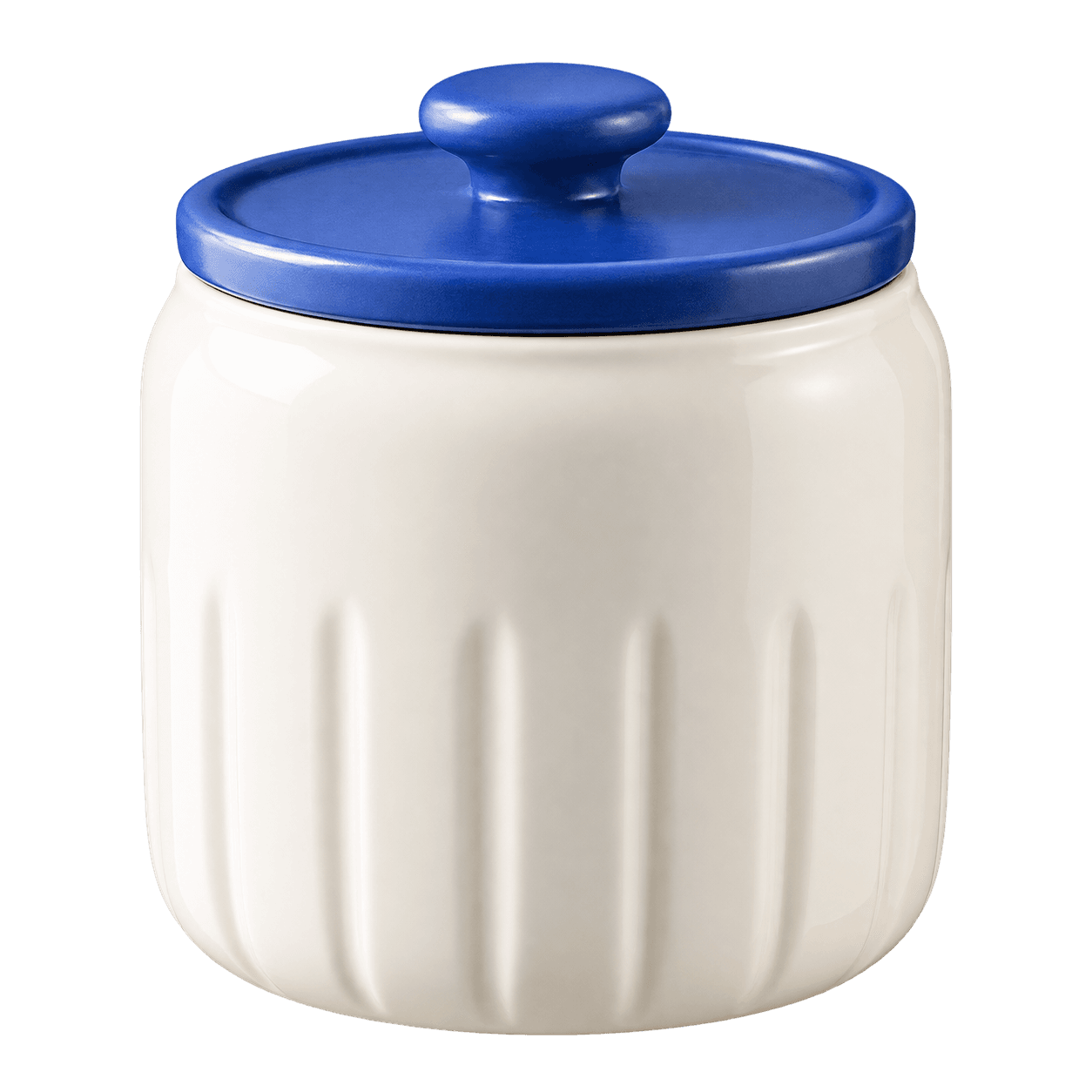
Storage canister
- Materials
- Confirm the construction.
- Dimensions
- Use merchant measurements.
- Care
- Explain the actual guidance.
Introduction clarifiedProduct detail in view
Available evidence
- Page group
- Collection and product detail
- Period
- Define the review window
- Measurement source
- Agree what the source records
What does the source actually record?
Store context
Product availability
What was in stock?
Promotions
Which offers were active?
Other changes
Seasonality, range, or store changes.
What else could affect the observation?
A page change, a recorded visit, and an order describe different things. Interpret them in context.
Start with one useful part of the store.
Choose a starting area and see what the first review would need.
Illustrative starting scope
Collection overview
From a clear range to useful detail.
CollectionEveryday storage
Compare purpose, materials, and care.
Product detailThe individual choice.
Store guidanceThe practical context.
Collections
What the first review would need
- Range context
- Collection purpose
- Links to useful product detail
- 01
Share the context
Describe the range, the priority, and recent changes.
- 02
Agree on the work
Define pages, outputs, inputs, and responsibilities.
- 03
Review and refine
Check the agreed changes and decide what deserves attention next.
Timing, cost, implementation, and follow-up are confirmed for the agreed scope.
Shopify SEO questions, answered clearly.
Doesn’t Shopify already handle SEO?
Shopify provides built-in SEO features, but the store still needs useful content, clear organization, and a suitable implementation. We review the actual setup rather than assuming that every built-in feature or installed app resolves the work.
Should we start with products or collections?
It depends on the catalog and the opportunity. A collection can address the range and comparison context, while a product page explains a specific item. We choose the starting scope around the store’s priorities and available evidence.
Will you change our theme?
Theme changes are included only where agreed. Recommendations can be handed to your developer, or implementation can be scoped with the necessary access and review process.
Do we need another SEO app?
Not automatically. Start with the issue that needs to be solved and review the existing setup. An additional app should have a defined purpose rather than being treated as a substitute for the work.
Can you help with product variants and duplicate URLs?
We can investigate the relevant URL relationships, page output, and product information. The right recommendation depends on how the actual store represents its products and variants.
Does this include Google Merchant Center?
Merchant Center and feed work are separate scope items to confirm. This page focuses on the Shopify website; any additional account or feed work should be explicitly agreed.
Can you help during a theme change or store migration?
The scope can include reviewing the planned change and relevant page behavior. A full migration or replatforming project needs its own agreed responsibilities and checks.
How will you measure progress?
We define the pages, work, and evidence relevant to the engagement. Reviews distinguish completed changes, search observations, and store activity instead of treating them as interchangeable proof of growth.
Can you guarantee more sales or rankings?
No. We can agree on the work and how it is reviewed, but a specific search position or sales outcome is not guaranteed.
What access will you need?
We identify the required access during scoping and use appropriate permissions for the agreed work. The store and its accounts remain under the business’s ownership.
Tell us where your Shopify store needs a clearer next step.
Share the store, the part of the catalog you want to improve, and any recent changes. We can use that context to discuss a useful starting scope.