SEO & web design for Denver businesses.
Our remote SEO and web design work helps Denver businesses explain genuine service areas and keep operating conditions beside the relevant work.
Discuss your websiteExplore the approach
Working with Denver businesses remotely. This page describes a service market, rather than a local office.
Denver SEO. Make the service area useful to the customer.
The same Denver business can have different operating limits for different work. We make those distinctions understandable beside the service, with words that explain any map and a useful way to ask about an exception. The city's name alone is not a promise that every job or address is covered.
- Job type
- Start with the work the customer actually needs.
- Operating area
- Describe the confirmed places for that service.
- Condition
- Explain what changes the initial assessment.
- Exception
- Give an uncertain address a supported enquiry route.
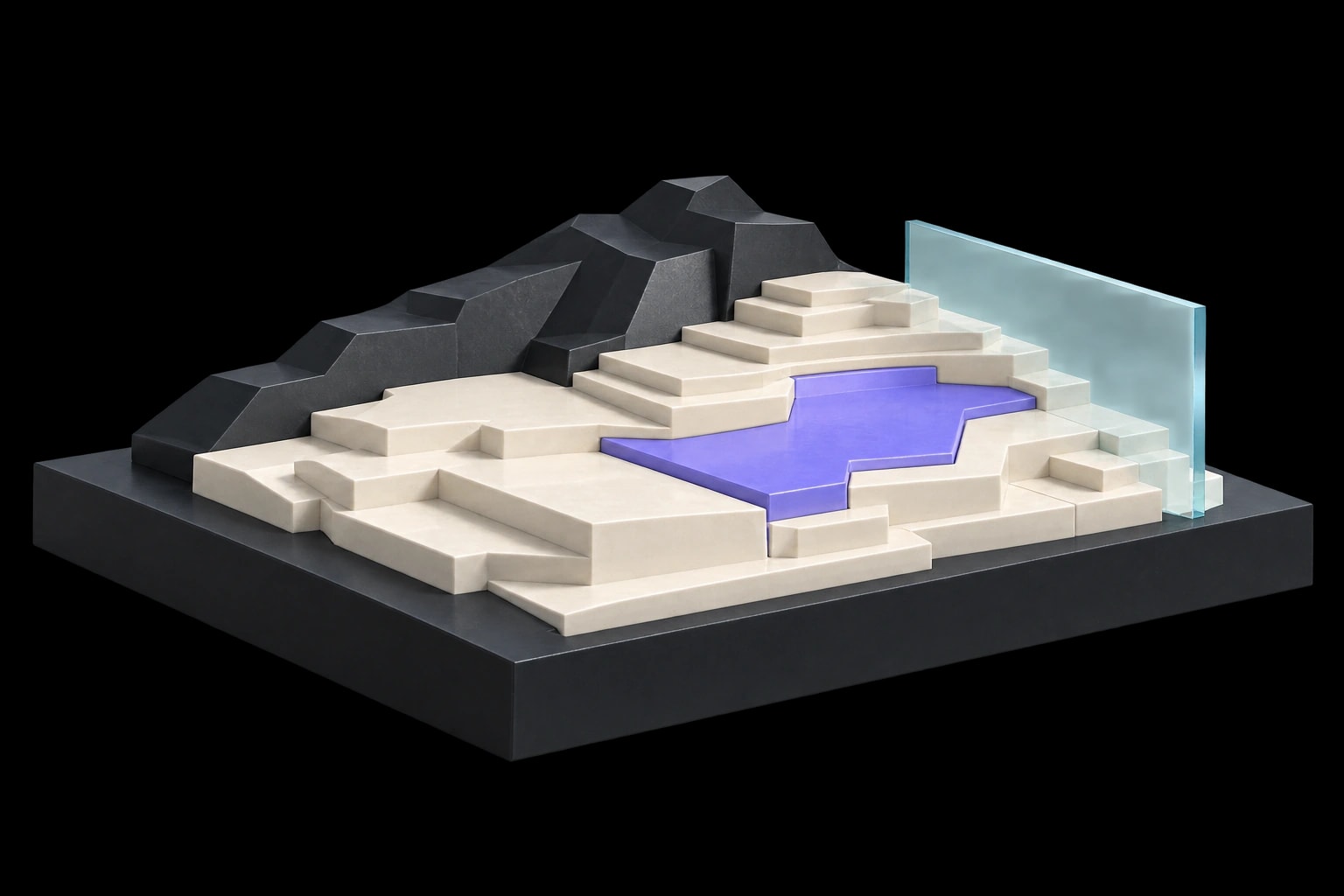
Illustrative planning model. Confirmed business information defines the actual brief.
Make the map understandable in words.
Make the operational meaning of coverage understandable in words.
- Written meaning
Explain what the mapped area means.
- Honest radius
Use a radius only when it fits operations.
- Phone review
Check the same answer on a small screen.
Planning details: explain the map
A map can help orient a customer, but the practical meaning needs a clear explanation. Describe the actual coverage and any relevant conditions in readable text beside the service. Someone should be able to understand the next step without interpreting a colored shape or estimating distance from a marker.
Choose a radius only when it truthfully describes the business's operating approach. If coverage follows named areas, service-specific arrangements or individual assessment, explain that instead. Confirm exceptions with the business rather than allowing the appearance of the map to create an unsupported promise.
Review the same information on a small screen. Keep the service name, coverage explanation and contact action easy to find when the layout changes. The map supports that decision; it should not become the only place where an important condition is available.
Separate the work that changes the reach.
Different services can need different coverage and delivery explanations.
- Accepted jobs
- Start with the work the business accepts.
- Property context
- Record practical conditions that affect the service.
- Page scope
- Expand only the services needing fuller explanation.
Planning details: define service reach
The same business can have different practical arrangements for different services. A small routine visit and a substantial planned project may require different information before suitability is established. Identify those distinctions with the team that actually assesses and delivers the work.
For a hypothetical Denver on-site service business, begin with the job types accepted, the relevant property context and the places the team can serve. Explain a condition where it affects the customer's decision. A broad metro label alone cannot tell someone whether a particular request fits.
Use those facts to decide which service pages need fuller treatment. Shared business information can stay consistent, while each meaningful service difference gets the explanation it needs. The first enquiry should carry the context that helps the receiving team evaluate that specific kind of work.
Match public coverage to the actual operation.
Website and managed profile details should reflect the actual operation.
- Website facts
Check the public operating description.
- Business model
Distinguish service-area and customer-receiving arrangements.
- Local review
Connect pages, managed profiles and confirmed coverage.
A focused local SEO review can connect the relevant pages, managed profile details and actual service coverage. The scope identifies the information your team verifies and the updates that can be checked. It should reflect how the business operates, including the arrangements that deserve individual confirmation.
Planning details: align public coverage
The website and the public profiles a business manages should describe compatible operating information. Begin with confirmed service areas and customer arrangements, then identify which records need review when those details change. Keep a customer visit distinct from a location where the team is based.
Google's Business Profile guidance distinguishes a service-area business from a hybrid business that also receives customers at its premises. Its service-area settings use named areas such as cities or postal codes rather than a radius. Those profile settings and an illustrative website map are different parts of the public explanation.
Carry exceptions into the first assessment.
Give customers near an uncertain boundary a clear route to assessment.
- Uncertain location
Explain how to ask about an edge case.
- Submitted request
Describe the process it actually begins.
- Coverage change
Recheck connected pages and receipt after an offer change.
Planning details: handle the edge
A customer near the edge of the published area may still need a clear answer about how to enquire. Explain the approved process for questions that require review. Ask for the job and location details that help the team assess the request, while keeping the first step proportionate.
A submitted request begins the process described by the business. Make clear what still needs discussion before a visit, estimate or project is agreed. The website can help people prepare without presenting every enquiry as accepted work or promising that every exception will be accommodated.
SEO Supreme works with Denver businesses remotely. We connect the service content, geographic brief and enquiry route through agreed review responsibilities. After a coverage or offer change, revisit the connected pages and receiving process together, recording what was checked and which decisions remain open.
Denver project questions.
Should the website show a distance radius?
Only if a radius accurately describes how the business operates. Actual coverage and any exceptions should be confirmed rather than inferred from the appearance of a map.
Can we explain different job requirements on one site?
Yes. The structure can distinguish real service differences while keeping shared contact and business information consistent.
What should happen to an enquiry outside the published area?
Explain the business's approved process for reviewing it. The page can ask for useful job and location context, while making clear that submitting a question does not confirm availability or acceptance.
Must every service use the same coverage explanation?
Only when the arrangements are actually the same. Where a job type changes the operating conditions or assessment required, put that distinction beside the relevant service and keep shared business details consistent.
Show where the service actually works.
Bring the accepted job types, actual operating areas and the questions that require an individual decision. Those details give the map, service page and enquiry process a useful shared brief.
Discuss your project