SEO & web design for Louisville businesses.
We help Louisville businesses explain one-time services and continuing arrangements with clear scope and next steps through SEO, web design and remote collaboration.
Discuss your websiteExplore the approach
- Arrangement
- Name what the customer is considering.
- First work
- Explain the initial piece of delivery.
- Repeat work
- State what would recur if agreed.
- Agreement
- Confirm the starting point before implying continuation.
Illustrative planning example · confirmed business details set the final scope.
Working with Louisville businesses remotely. This page describes a service market, rather than a local office.
Louisville websites. Explain what starts once—and what continues.
A one-time engagement and continuing work need different expectations. For a Louisville website, we name the arrangement, show what happens once and what may repeat, then keep the first enquiry proportionate. Ongoing work begins with an actual agreement, not the appearance of a recurring-service page.
Name the arrangement before listing the features.
Explain the purpose of each service arrangement before listing its features.
- Customer purpose
- Use language the customer recognizes.
- Initial assessment
- Explain the first piece of work.
- Recurring arrangement
- Make the continuing service choice understandable.
Planning details: name the arrangement
Introduce the purpose of each arrangement in language the customer recognizes. A single project may address a defined piece of work, while ongoing service involves an agreed continuing scope. Confirm how your business makes that distinction before turning its internal package names into public choices.
For a hypothetical Louisville property-maintenance business, an initial assessment and a recurring maintenance arrangement could answer different questions. Explain which one helps someone understand the work required and which describes continuing support, using the actual service conditions supplied by the business.
Give the overview enough detail to make the choice understandable. The customer can then open the relevant explanation for scope, practical requirements and the next step. A clear arrangement name and short purpose statement can do that work before a larger feature comparison becomes useful.
Explain what happens once and what repeats.
Describe the first visit and continuing activities with their own conditions.
- First work
- Explain what happens once.
- Continuing activity
- Describe the work that repeats.
- Later assessment
- State when frequency or scope still needs confirmation.
Planning details: explain what repeats
Describe the work covered by the first project or visit, then explain the continuing activities separately. Keep any assessment, setup or preparation requirement beside the arrangement it affects. Use confirmed details about the work rather than assuming that a recurring label explains the service by itself.
Establish which practical conditions apply to each choice. Coverage, eligibility, scheduling and the information needed from the customer may differ. Let the business approve those distinctions and keep them visible where someone decides which route to follow.
Where frequency or scope depends on a later assessment, explain that step and how it is confirmed. A useful page can describe the decision process while the business evaluates the individual circumstances. Review the public details when the arrangement changes so the first visit and ongoing explanation remain consistent.
Keep inquiry questions with the selected arrangement.
Ask for the information relevant to the selected service arrangement.
- Relevant context
Differentiate single-project and ongoing information needs.
- Related inputs
Group the questions around their shared purpose.
- Selection change
Review conditional questions when the choice changes.
Planning details: match inquiry questions
Agree which information the receiving team needs for a single project and which is relevant to an ongoing request. A shared form can support both when the selected arrangement remains clear. The questions and handoff should reflect the process your team can actually support.
W3C recommends grouping related form controls visually and programmatically. Apply that guidance with understandable group headings and descriptive labels. The customer should recognize which questions belong together and which arrangement they are currently describing, including when the form is used on a small screen.
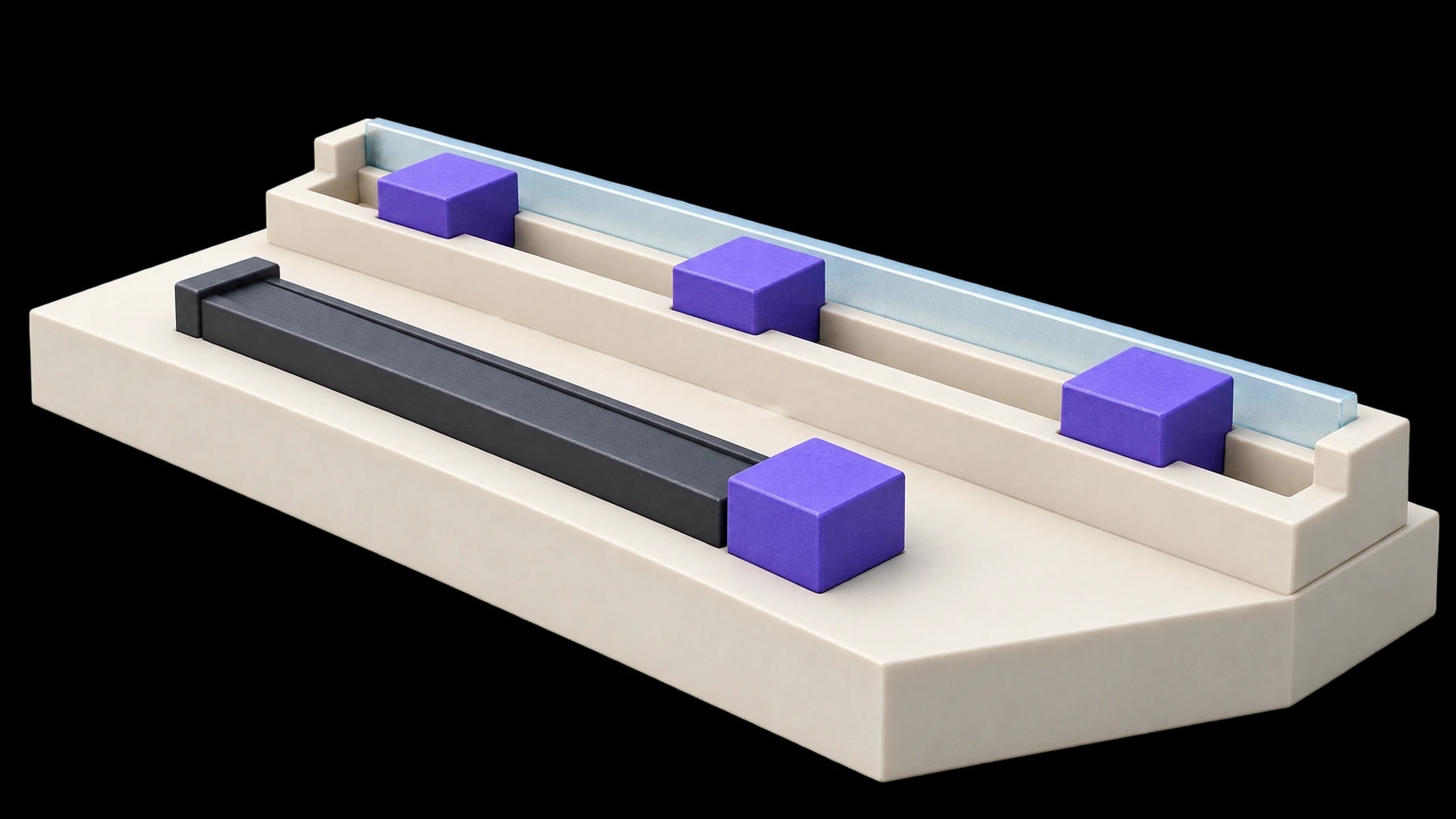
Keep conditional questions focused on the selected need, and review what happens when that selection changes. Required inputs should still make sense for the request being made. The dual-rail model illustrates a one-off path alongside a continuing sequence; the real website flow follows your approved service arrangements.
Confirm the first step before implying ongoing work.
Explain the next action before implying an ongoing agreement exists.
- Action type
Name discussion, assessment or supported booking.
- Useful inquiry
Connect work, coverage and project information.
- Confirmation
Review the outcome from each arrangement.
Our SEO for home service businesses approach connects the actual work, relevant coverage and information needed for a useful inquiry. For a Louisville service company, that connection helps distinguish an initial project question from a request to discuss continuing work.
Planning details: confirm the first step
Explain whether the next action requests a discussion, starts an assessment or uses an existing booking process. Keep the action label, receiving team's responsibilities and confirmation message aligned with that stage. The visitor should know which decision the business will make next.
Review the route from each arrangement through to its confirmation. Check that the selected service and useful context reach the right place, then document any remaining question for the business. Describe an ongoing arrangement as confirmed only at the stage the business's actual process supports.
Louisville project questions.
Should recurring services use the same contact form as projects?
They can, if the form makes the selected arrangement clear and reaches the right team. Separate forms are useful only when the information or handoff differs.
Can the website publish scheduling promises?
Only when the business can support and approve them. A request process may be more appropriate than a fixed availability claim.
What should a comparison of single and ongoing services explain?
Start with the purpose of each arrangement, the work included, how it begins and what continues. Add the business-approved requirements and coverage differences where relevant. Feature counts alone do not explain which arrangement fits the customer's question.
Can an assessment come before an ongoing service is agreed?
Yes, when that reflects the business's actual process. Explain what the assessment establishes and how the next arrangement is confirmed. Keep the request action and its confirmation clear about the stage the customer has reached.
Explain the first job and the repeat work.
Make the purpose, included work and first decision clear for each arrangement. Keep the inquiry focused on the choice the customer has made.
Discuss your project