SEO & web design for Omaha businesses.
We help Omaha businesses support product-number searches and make category comparisons, compatibility and next steps clearer through SEO, web design and remote collaboration.
Discuss your websiteExplore the approach
- Identify
- Give a known item a clear destination.
- Browse
- Organize the range for someone still choosing.
- Compare
- Use attributes relevant to the purchase.
- Request
- Carry the selected identity into the sales conversation.
Illustrative planning example · confirmed business details set the final scope.
Working with Omaha businesses remotely. This page describes a service market, rather than a local office.
Omaha ecommerce. Connect the part number to the next decision.
A buyer who knows an item number needs a different entrance from someone comparing a category. For an Omaha business, we support both routes, make meaningful attributes comparable and keep useful product pages reachable. The selected item must remain identifiable in the eventual sales request.
Give known items and category browsing different entry points.
Support exact-item lookup and category exploration without losing product identity.
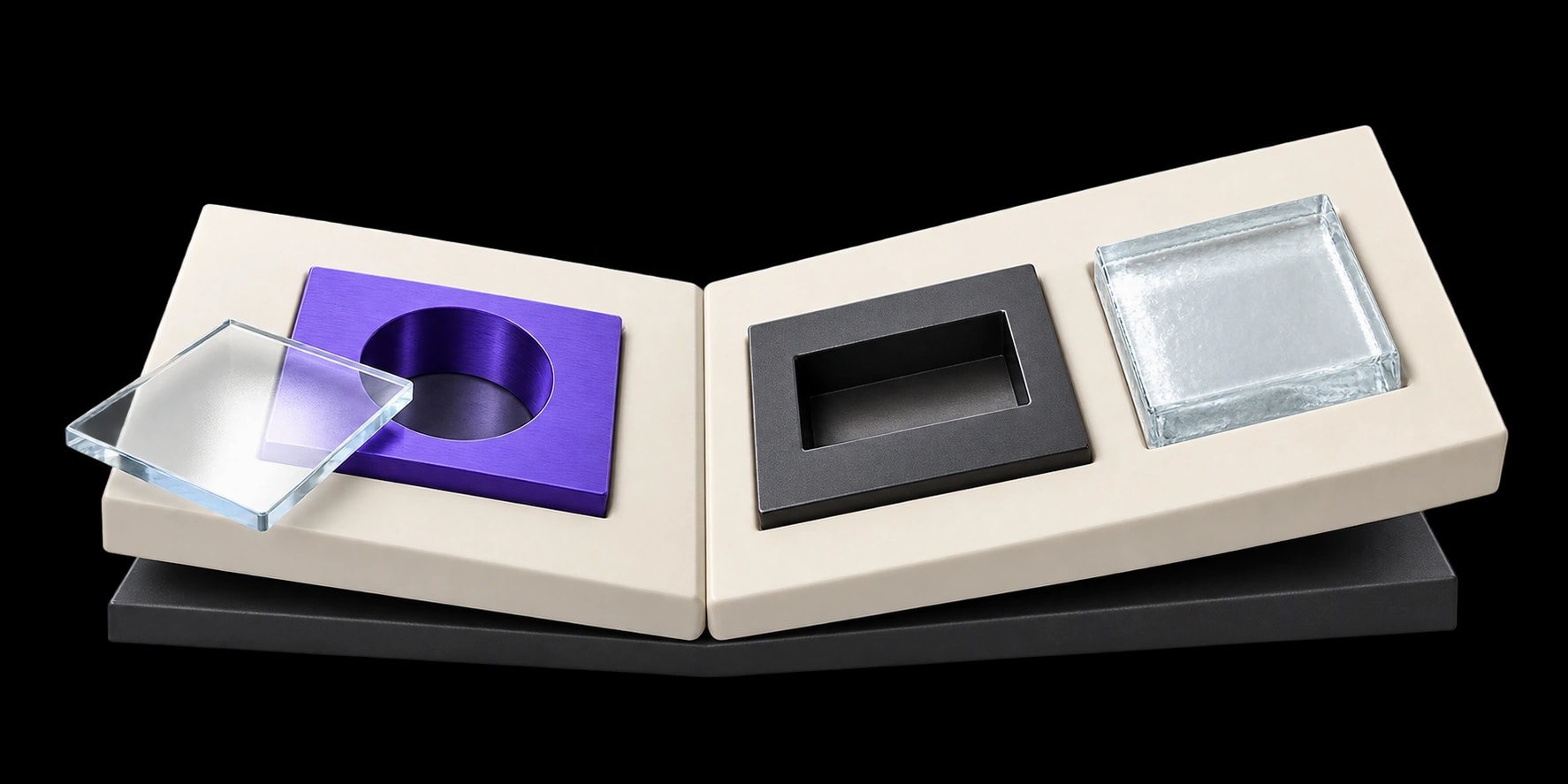
- Known item
- Keep the exact-item route recognizable.
- Category browsing
- Group related fittings for exploration.
- Product identifier
- Keep the identifier in headings, details and actions.
Planning details: offer two entry routes
Keep the route for an exact item understandable alongside the route for exploring a category. A buyer with a part number needs to recognize the correct product, while someone comparing the range needs useful grouping and descriptive labels. Both should reach the same approved product information.
For a hypothetical Omaha trade supplier, a category might group related fittings while each item has its own identifier and specification. Confirm how the business distinguishes the products before choosing filters or search fields. The catalogue should preserve meaningful differences rather than treating every similar-looking item as interchangeable.
Check how the identifier appears in the product heading, relevant details and next action. Keep the naming consistent with the source the business maintains. The catalogue-leaf model illustrates grouped choices and an individual selection, with one product identity connecting the browsing route to the later purchasing decision.
Compare the attributes that matter to the purchase.
Use approved attributes while keeping suitability separate from fulfilment.
- Decision attribute
- Choose what helps assess the intended use.
- Readable order
- Keep comparable information coherent on a phone.
- Fulfilment
- Explain current arrangements separately from product suitability.
Planning details: compare purchase detail
Agree which approved attributes help a buyer decide whether a product suits the intended use. Use consistent names and units where the same attribute appears across comparable items. Explain a relevant limitation alongside the specification it affects, using information the business can maintain and substantiate.
Keep comparable detail in a readable order on a phone. A buyer should be able to tell which value belongs to which product and return to the full explanation when needed. Product imagery can show the relevant form or feature while the accompanying text carries the precise specification.
Separate product suitability from the current fulfillment arrangement. Collection, shipping or delivery reviewed during a quotation may involve different conditions. Confirm the actual process for the Omaha operation and identify who supplies changing information, so a useful comparison does not imply stock or a delivery commitment the business has not confirmed.
Make each useful product page reachable.
Use clear category links to reach every important product destination.
- Catalogue
Connect the overview to relevant categories.
- Category
Provide ordinary links to product pages.
- Product destination
Check the reachable page and its actual information.
Planning details: connect product pages
Connect the catalogue overview with relevant categories and product destinations through clear links. Someone browsing the range should be able to reach the important product information through the site's navigation. Keep that route useful even when the visitor does not know the exact item name to search for.
Google recommends linking through categories and subcategories to product pages, using ordinary links with an href. Its guidance explains that Googlebot generally does not submit searches in a search box. A product that is available only through internal search can therefore be harder for Google to discover through crawling.
Review the actual route into each important product destination and the information available there. Keep category introductions focused on the range and product pages focused on the item. The navigation matrix shows those separate jobs without suggesting that adding more pages or links guarantees a search ranking.
Carry the selected item into the sales request.
The sales action and confirmation should preserve the selected product.
- Supported action
Match contact or purchase to the real process.
- Product context
Keep the selected item attached to the request.
- End-to-end review
Test known-item and category routes through confirmation.
Our ecommerce website design work can connect catalogue structure, product detail and the supported sales process. For an Omaha supplier, that includes the relationship between the item a buyer evaluates and the information the receiving team needs to handle an order or quotation request.
Planning details: retain the item
Match the product action to the sales process the business supports. If a buyer requests a quotation, make the selected item and any useful quantity or application context clear. If checkout is supported, explain the relevant purchase and fulfillment conditions before the final decision.
Check an example journey from the category or known-item route through to the confirmation. Verify that the product identity stays understandable and that the message describes the stage actually reached. Keep a received quotation request distinct from an agreed order, following the business's real review and acceptance process.
Omaha project questions.
Can some products use checkout and others quotation?
Yes, when that reflects the actual sales model. The difference should be clear on the relevant product pages.
Who supplies product availability?
The project identifies the business system or person responsible. Availability should not be invented or copied into an unmaintained page.
Can a catalogue serve buyers with a part number and buyers comparing a category?
Yes. Provide an understandable exact-item route alongside clear category navigation, and let both reach the same approved product information. Keep the product identifier consistent through the relevant order or quotation process.
How should a supplier choose product comparison attributes?
Use the approved attributes that help buyers assess suitability, with consistent names and units across comparable items. Confirm the source and maintenance responsibility for specifications and explain relevant limitations beside the affected detail.
Turn a product difference into a choice.
Support exact-item lookup and category comparison with the same reliable product detail, then carry that context into the supported sales process.
Discuss your project