SEO & web design for Portland, ME businesses.
Our remote SEO and web design work helps Portland, ME businesses connect product information with clear shop visits, order readiness and collection arrangements.
Discuss your websiteExplore the approach
- Place
- Make Portland, Maine unambiguous.
- Choice
- Describe the collection or delivery option.
- Opening
- Keep the shop's actual hours in their own context.
- Ready message
- Explain which real notification confirms collection.
Illustrative planning example · confirmed business details set the final scope.
Working with Portland businesses remotely. This page describes a service market, rather than a local office.
Portland, Maine websites. Make the collection plan clear.
Portland, Maine belongs clearly in the answer when a customer is planning a collection. We distinguish shop opening from order readiness and explain only the supported collection or delivery choices. Product content, current arrangements and the final message need to agree before a visitor sets out.
Make the Maine location clear where the decision happens.
Make the relevant Portland location unambiguous at the customer's decision.
- State context
- Use Portland, Maine where ambiguity matters.
- Chosen action
- Confirm the location that action actually needs.
- Collection location
- Explain where an accepted order can be collected.
Planning details: clarify maine
Use Portland, Maine when the place could otherwise be ambiguous. Carry that clarity into the relevant product, contact and collection information. A customer arriving directly from search should be able to identify the business and understand whether the page describes a visit, a collection point or delivery.
Confirm the location customers actually need for their chosen action. A business address and an order collection point may serve different purposes. Explain the supported arrangement beside the choice it affects, using details approved by the business rather than adding a local address simply to target a city.
For a hypothetical Old Port retailer, the useful question might be where an accepted order can be collected. Keep that answer with the collection instructions and make the Maine identity explicit. The location matrix separates the place, the offer and the action so each can be checked independently.
Explain the supported collection and delivery choices.
Keep the supported routes and their restrictions beside the product choice.
- Collection
- Explain the supported collection arrangement.
- Delivery
- Explain current delivery coverage and restrictions.
- Product conditions
- Attach relevant limits to each supported route.
Planning details: compare fulfilment
Show the fulfillment methods your business currently supports and explain any relevant product or location restrictions. If an option requires a later confirmation, say what will be reviewed. The customer needs enough information to choose a route before reaching an instruction that changes their understanding of it.
Keep the practical conditions beside each option. Collection may require a readiness message, while delivery may depend on the destination and the actual service offered. Establish those conditions with the business and use its approved wording throughout the product page, checkout and order communication.
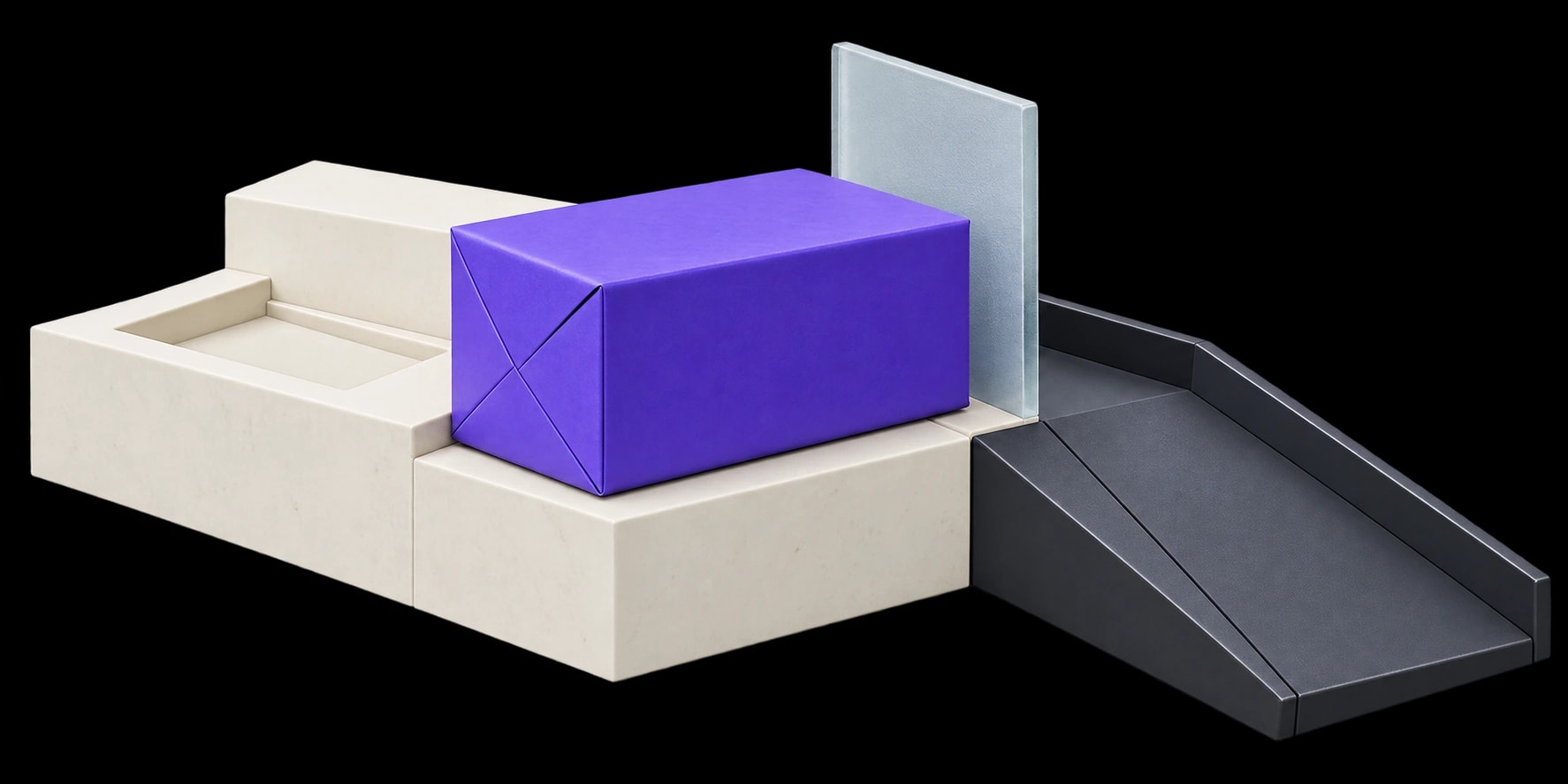
The parcel model illustrates two different routes from the same product choice. It represents a planning decision, with collection on one side and delivery on the other. Your website should describe only the routes you can support, including how a customer can resolve an uncertain case before proceeding.
Keep opening hours and collection details distinct.
Business opening hours and collection conditions can describe different arrangements.
- Business hours
- State when the business is open.
- Collection condition
- Explain any separate order-collection limits.
- Update owner
- Assign responsibility when those arrangements change.
Planning details: separate hours
Explain when the business is open separately from any conditions that govern collecting an order. A shop's opening hours alone may leave a customer unsure whether their particular order is available. Place current timing information and the relevant confirmation instruction where someone prepares to visit.
Google Business Profile supports additional hours for particular services, such as pickup or delivery, where available. Google's guidance requires regular hours before those additional hours can display. Review the applicable controls alongside the website so each describes the current, confirmed arrangement accurately.
Agree who updates those details when operations change. Check product instructions, collection information and the messages customers receive together. The generated Portland waterfront scene provides city context; the business supplies the actual collection point, timing and readiness requirements that make the information useful.
Describe the message that means an order is ready.
An order receipt and a ready-to-collect message represent different stages.
- Order received
Confirm the stage actually reached.
- Order ready
Explain the message that permits collection.
- Journey review
Test the route from offer to readiness message.
Our local SEO review can examine how accurate location details and useful offer pages work together. For a Portland, Maine retailer, that includes the connection between finding a product, understanding the supported collection arrangement and reaching a clear customer instruction.
Planning details: explain readiness
Distinguish an order received from an order ready to collect. Explain what the first confirmation means and which later message, if any, tells the customer to travel. Use the stages your business actually operates, with clear instructions for the next action at each stage.
Review an example journey from the offer through to the collection message. Check the product, selected method, relevant place and current stage together. Where the customer needs further help, provide the contact route your team supports and explain which order details will help them answer the question.
Portland project questions.
Is this page for Portland in Maine?
Yes. This page and its city listing refer to Portland, Maine. Portland, Oregon has a separate market page.
Can opening and collection information appear together?
Yes. We first confirm the actual arrangement and a dependable source for information that changes.
Do regular opening hours confirm that an order can be collected?
Opening hours describe when the business is open. Collection may also depend on the order being prepared and the supported collection arrangement. Explain the actual conditions and the message a customer should receive before traveling.
Should an order received message say that the order is ready?
Only when that matches the business's actual process. If preparation or review follows the initial order, distinguish the received confirmation from the later readiness instruction and make the customer's next step clear.
Help the customer arrive prepared.
Connect the product with its supported fulfillment method, the correct place and a clear readiness instruction.
Discuss your project