SEO & web design for Virginia Beach businesses.
We help Virginia Beach businesses explain property services and carry useful work and location details into the inquiry through SEO, web design and remote collaboration.
Discuss your websiteExplore the approach
- Need
- Describe the service before classifying the customer.
- Property
- Ask for the context relevant to the assessment.
- Access
- Explain only arrangements the business actually supports.
- Request state
- Make the real next step clear after sending.
Illustrative planning example · confirmed business details set the final scope.
Working with Virginia Beach businesses remotely. This page describes a service market, rather than a local office.
Virginia Beach websites. Give a property enquiry the right context.
A property service request needs the work explained before it needs a label for the person asking. For a Virginia Beach business, we separate those questions, agree how useful property context reaches the team and describe the actual request state. Access and updates belong to the confirmed process, not an assumed integration.
Separate the service need from who is asking.
Identify the service need before separating the people involved in the request.
- Required service
- Begin with the work needed at the property.
- Supported arrangement
- Describe only the process the business can provide.
- Readable route
- Connect the offer with real coverage and enquiry.
Our SEO for home service businesses approach connects that clear offer with genuine coverage and a readable enquiry route. We review the business's actual process remotely rather than building the page around assumptions about local customers.
Planning details: start with the work
For a Virginia Beach property-service business, begin with the work the customer needs. Explain the type of service or assessment available and the information that helps establish fit. A resident and an owner elsewhere may ask about the same work while needing different practical arrangements.
Describe those arrangements only where the business supports them. The website can acknowledge a remote enquiry without implying that every site visit, access requirement or update can be handled in the same way. Keep the service explanation useful before asking someone to identify which situation applies.
Agree how property context reaches the team.
The receiving team needs the requirement and the work location together.
- Property requirement
- Explain what needs doing and where.
- Input clarity
- Distinguish required information from optional context.
- Supporting material
- Specify its route and defined review purpose.
Planning details: carry property context
An initial request should help the receiving team understand the requirement and where the work would take place. Choose the location and project fields that are useful for that first review. A visitor should be able to describe the situation without completing a technical assessment themselves.
Explain any unusual field and distinguish required information from optional context. W3C's Form Instructions guidance recommends making those expectations and formats clear. Keep the explanation close to the input so someone can check what is needed while completing the request.
If supporting material is part of the agreed process, specify how it reaches the team and what it helps them review. The public page need not collect every operational detail at once. A proportionate request can open the conversation, with further information agreed at the appropriate stage.
Keep access and updates in the actual process.
Access and update arrangements need to reflect the actual people and process.
- Person asking
- Identify the contact making the enquiry.
- Site contact
- Clarify who is available at the property.
- Review exchange
- Confirm how practical arrangements reach the reviewing team.
Planning details: confirm the participants
A property-related enquiry can involve different people: the person asking, someone available at the location and the team reviewing the work. Describe the roles that matter for the supported service. Avoid assuming that a contact name on a form settles who will coordinate a visit or receive the next update.
Confirm how those practical arrangements are discussed before the page presents them as available. If the business has a supported process for customers elsewhere, explain the useful outline. If arrangements require individual review, make that clear and direct the visitor to the appropriate next conversation.
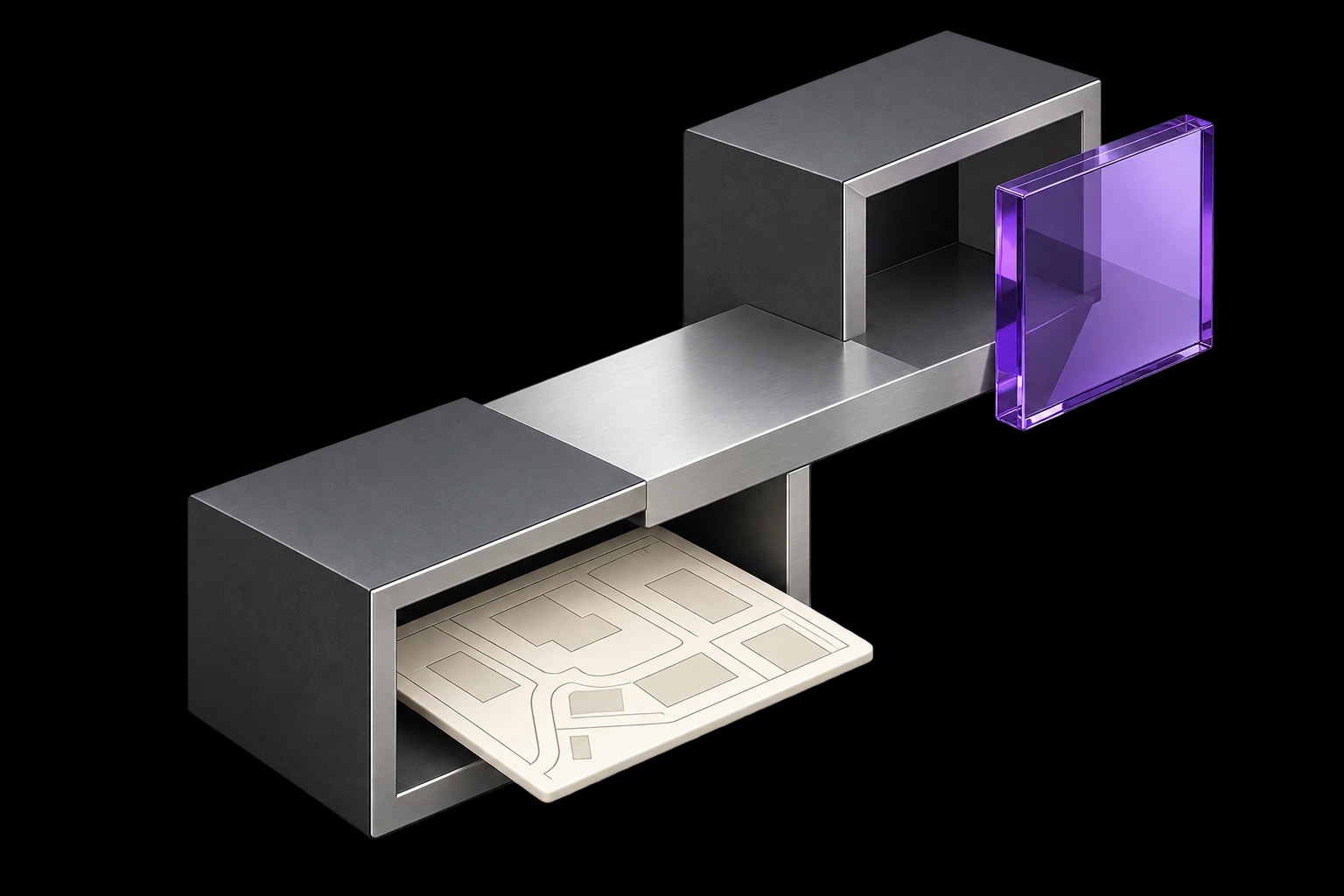
The stepped model separates site information from the review exchange. It is an illustration of the relationship, not a real property plan or an access instruction. The actual responsibilities stay in the approved project brief and the business's own operating process.
Make the request state clear after sending.
Review the visible message and the route behind the submitted enquiry.
- Service discovery
Begin with the representative customer's need.
- Receiving route
Check what happens behind the form.
- Next decision
Make the actual request stage understandable.
Planning details: explain request status
A submitted enquiry should receive a message that matches what the system has done. If the information has been received for assessment, say so. Receiving a description of work does not by itself mean that a site visit, price or start date has been agreed.
Review the route behind the form as well as the visible button. Check which team receives the information, what remains to be clarified and what a visitor sees if sending fails. Any stated response arrangement should come from the business rather than a generic promise added to the design.
Use one representative enquiry to review the sequence from service discovery to the next decision. This gives remote collaboration something concrete to test: a clear offer, relevant property context, understood responsibilities and an accurate explanation of what happens next.
Virginia Beach project questions.
Can the website support an owner who is elsewhere?
Yes, when the business has a supported arrangement for access and communication. We describe that real process rather than assume it exists.
Does submitting an enquiry confirm the work?
No, unless the actual supported process explicitly does so. An initial request should make any remaining review or agreement clear.
How much property information belongs in the first enquiry?
Ask for the requirement and location context useful for the initial review. Explain required and optional input clearly, and agree any additional operational information through the supported process.
Should the page explain who coordinates access and updates?
Yes, when those arrangements are supported. Describe the relevant roles and review stage accurately rather than assuming that the person submitting a request will handle every practical decision.
Keep access details with the request.
Bring the actual service, confirmed operating area and the way your team reviews property context and practical arrangements.
Discuss your project